June 16, 2026
This article aims to equip homeowners and property developers with essential information about hiring local fencing contractors. A well-constructed fence can provide security, privacy, curb appeal, and better property definition. However, choosing the right professional is crucial for ensuring that the fence meets your expectations, budget, and long-term service needs.
Understanding the Role of Fencing Contractors
Fencing contractors provide installation, repair, replacement, and maintenance services for residential and commercial properties. They help clients choose materials, plan layouts, measure property lines, and complete the installation process with care. Local fencing contractors also understand regional weather conditions, soil types, permit rules, and neighborhood requirements, which can make the project smoother from start to finish.
Their role often begins with a consultation. During this stage, they discuss your goals, explain available materials, and identify possible challenges on the property. They may also recommend fence heights, gate placements, and design options based on privacy, security, pets, children, or decorative needs.
Checking Licenses, Insurance, and Experience
Before hiring anyone, property owners should verify that the contractor has proper licensing, insurance, and bonding when required. These protections help reduce liability and show that the contractor follows professional standards. A qualified contractor should be willing to provide proof of coverage and explain how they handle permits or inspections.
Experience is also important. Contractors with a strong project history are more likely to understand installation challenges, property line concerns, drainage issues, and material limitations. Local fencing contractors often have portfolios or references that allow homeowners to review past work before making a decision.
Reviewing Reputation and Communication
A contractor’s reputation can reveal a great deal about their reliability. Online reviews, customer testimonials, and referrals from neighbors can help identify professionals who complete projects on time and communicate clearly. Positive feedback often reflects dependable service, quality craftsmanship, and respect for the customer’s property.
Communication should be clear from the first conversation. The contractor should answer questions, explain pricing, and provide a written estimate. Local fencing contractors who respond promptly and explain each step of the process can help homeowners feel more confident throughout the project.
Comparing Common Fencing Materials
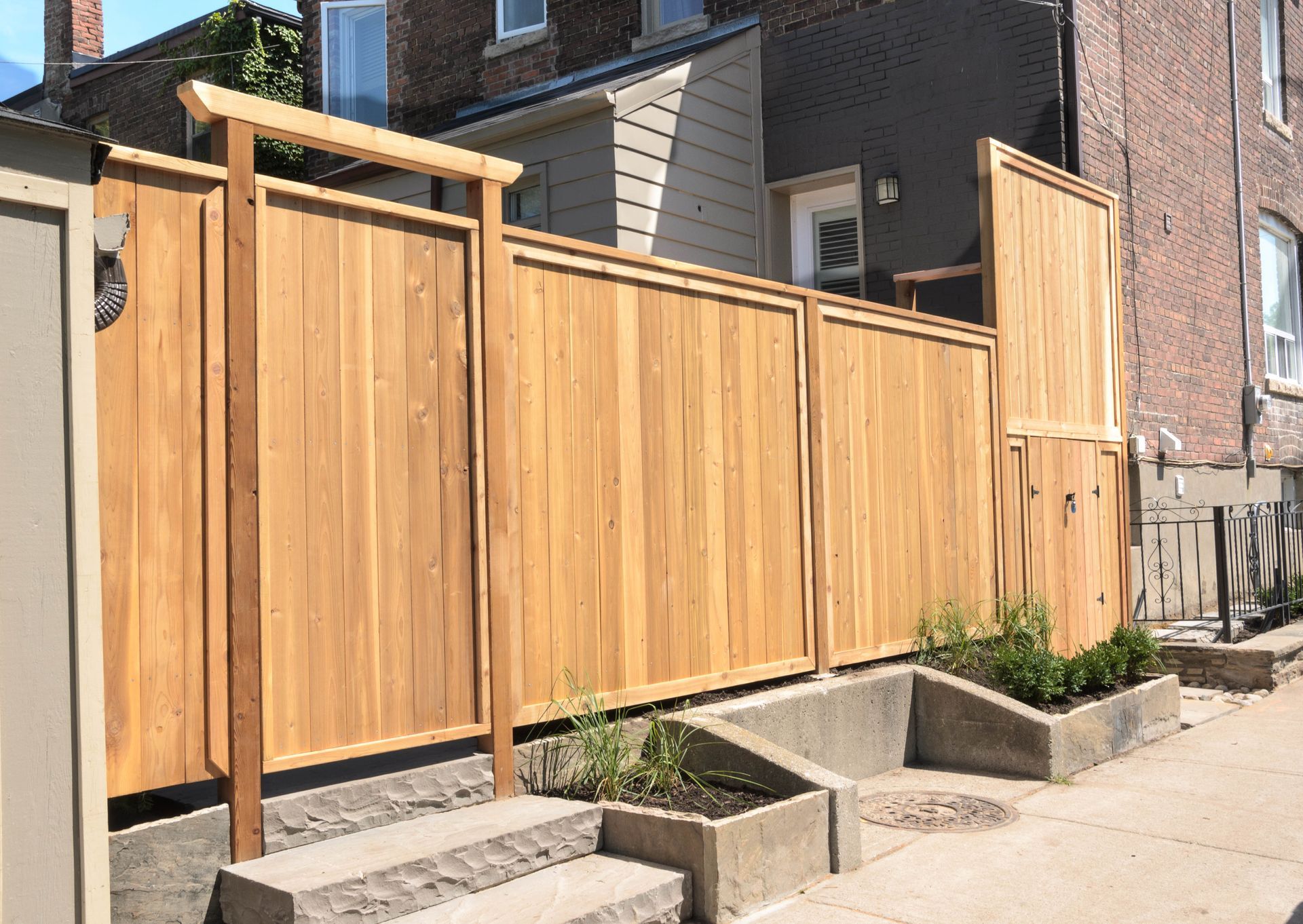
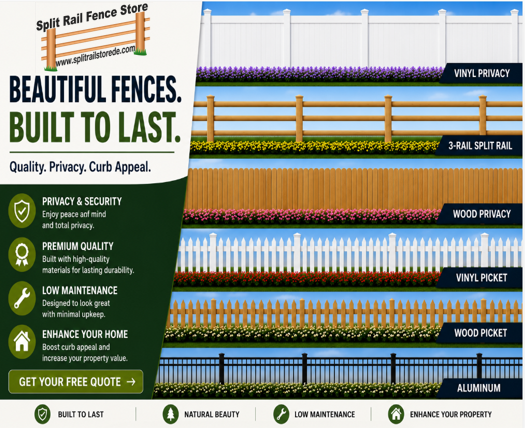
Wood fencing remains a classic choice because it offers warmth, privacy, and design flexibility. Homeowners can stain or paint wood to match the property’s style. However, wood requires ongoing maintenance to protect it from moisture, insects, and weather damage.
Vinyl fencing is popular for homeowners who want a low-maintenance option. It resists rot, warping, and insect damage, making it useful for long-term performance. Vinyl also comes in several colors and styles, allowing homeowners to achieve a clean look without frequent painting or staining.
Metal fencing, including aluminum, steel, and wrought iron, is known for strength and durability. It is often used for security, decorative boundaries, and properties that need a more formal appearance. Chain link fencing is another practical option that provides affordable security, especially for larger yards, commercial spaces, or pet areas.
Understanding Fencing Costs
Several factors influence the cost of a fencing project. Material choice, fence height, total length, labor, terrain, gates, and custom features can all affect the final price. According to Bob Vila, most residential fences are between 3 and 8 feet tall, and variations in height can affect material needs and cost.
Benefits of Investing in a Quality Fence
A professionally installed fence offers advantages that extend far beyond marking property boundaries. Homeowners often view fencing as a security feature, but it can also improve privacy, increase curb appeal, and contribute to the overall value of a property. Whether the goal is to create a safe environment for children and pets or to establish a more attractive outdoor space, a quality fence serves multiple purposes at once.
One of the most immediate benefits is improved privacy. Many homeowners prefer outdoor spaces where they can relax without feeling exposed to neighbors or passing traffic. Privacy fencing helps create a more comfortable environment for entertaining guests, enjoying family activities, or simply spending time outdoors. The additional sense of seclusion can make patios, pools, and backyard living areas more enjoyable throughout the year.
Security is another major advantage. A sturdy fence creates a physical barrier that can help deter trespassers and limit unauthorized access to a property. While no fence can guarantee complete protection, it often serves as an effective first line of defense. For families with children or pets, fencing also provides peace of mind by helping keep loved ones safely contained within the property boundaries.
Enhancing Property Appearance
A well-designed fence can dramatically improve the visual appeal of a home or commercial property. Modern fencing options are available in a wide range of styles, colors, and materials, allowing property owners to select a design that complements existing architecture and landscaping. Decorative fencing can become a focal point that enhances the overall appearance of the property.
Property owners often underestimate the role that fencing plays in first impressions. Visitors, potential buyers, and even neighbors notice the condition and appearance of boundary features. A professionally installed fence demonstrates attention to detail and ongoing property maintenance. This can contribute positively to perceptions of the property and potentially increase its market appeal.
Local fencing contractors frequently help clients select styles that balance aesthetics with functionality. Their experience allows them to recommend solutions that enhance visual appeal while still meeting practical needs such as privacy, security, and durability.
Understanding Fence Warranties
Before beginning any fencing project, it is important to understand warranty coverage. Warranties can vary significantly depending on the material, manufacturer, and contractor providing the installation. Reviewing warranty details helps property owners understand what is covered and what responsibilities they may have regarding maintenance.
Material warranties often protect against manufacturing defects, premature deterioration, or structural failures. Some vinyl and composite fencing products may include lengthy warranty periods due to their durability and resistance to environmental factors. Wood fencing warranties may be more limited because natural materials are influenced by weather conditions and maintenance practices.
Installation warranties are equally important. These warranties typically cover workmanship issues that may arise after construction is completed. Problems such as loose posts, improper alignment, or gate operation concerns may fall under installation coverage. Discussing warranty terms before signing a contract helps establish clear expectations for both parties.
Common Mistakes to Avoid During a Fencing Project
Many fencing projects encounter preventable issues due to inadequate planning. One common mistake is failing to verify property boundaries before construction begins. Installing a fence on a neighboring property can create disputes, require costly modifications, and delay project completion. Obtaining an updated survey can help eliminate uncertainty.
Another frequent error involves selecting materials based solely on initial cost. While budget considerations are important, choosing the least expensive option may result in higher maintenance expenses or earlier replacement needs. Evaluating long-term value often leads to better purchasing decisions.
Property owners should also avoid neglecting drainage considerations. Improper water flow can weaken fence posts, accelerate deterioration, and compromise structural stability over time. Experienced contractors evaluate grading and drainage conditions before installation to minimize these risks.
Communication failures can create additional challenges. Clearly outlining project expectations, timelines, design preferences, and budget limitations helps prevent misunderstandings. Detailed written agreements provide a valuable reference throughout the project and help ensure everyone remains aligned on objectives.
Site conditions may also change the estimate. Uneven ground, tree roots, rocks, old fencing, or heavy vegetation can require extra preparation. Local fencing contractors can inspect the property in advance and provide a more accurate quote based on the actual conditions. Contact Split Rail Fence Store today and get connected to our fencing services.